
Your perfect breast
Breast augmentation witn a very attractive and natural result.
FREE first consultation and financing up to 5 years.
Breast Augmentation (Augmentation Mammoplasty)
Dr. Antolin explains the characteristics of breast augmentation surgery in Valencia, as well as the patient care process from the offices in Valencia and Alcoy (from which he sees patients from Onteniente, Ibi, Cocentaina and Onil, among others).
 Contact us now
Let’s talk about:
- Which type of prosthesis we use?
- The incision approach and scars: where to place the implants?
- The characteristics of breast augmentation surgery.
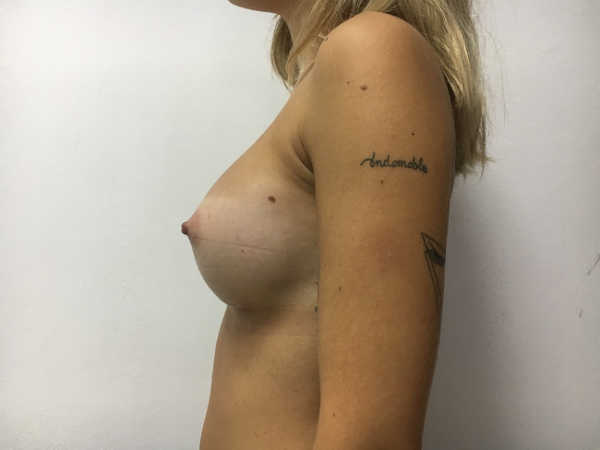
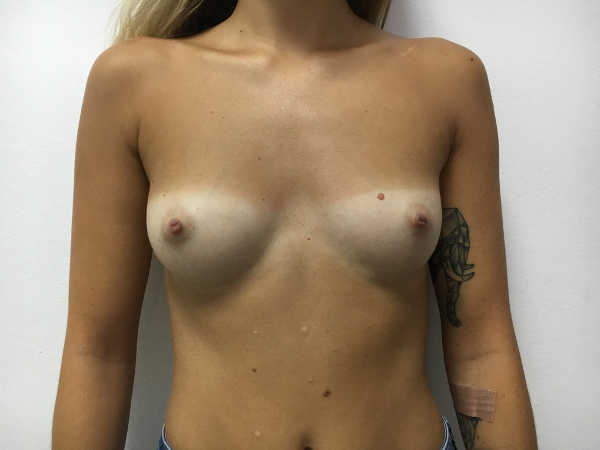
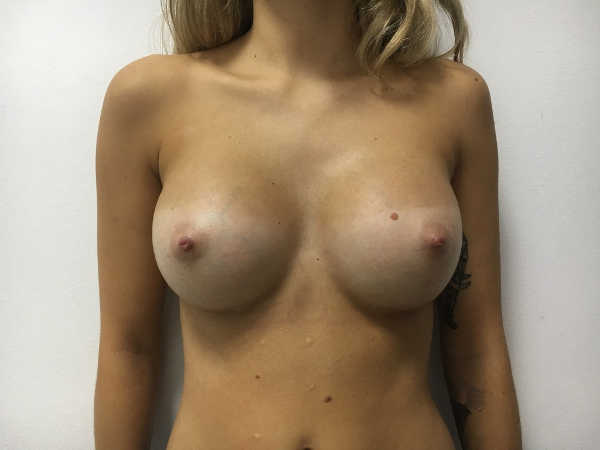
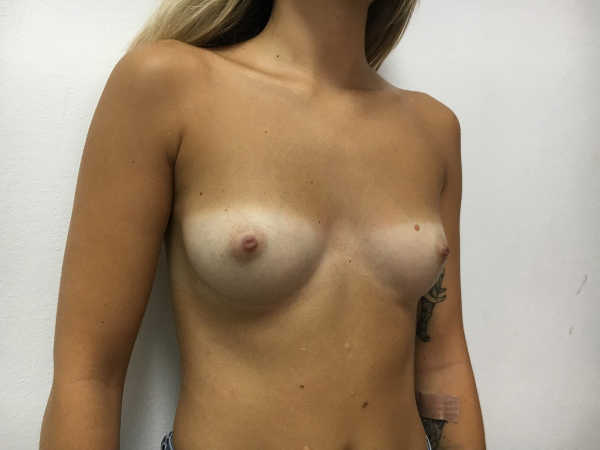
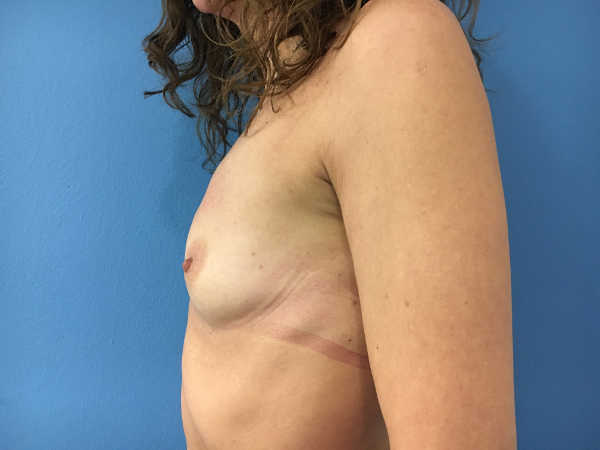
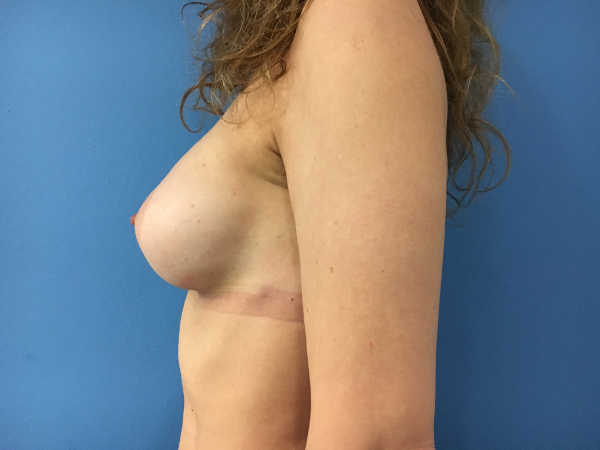
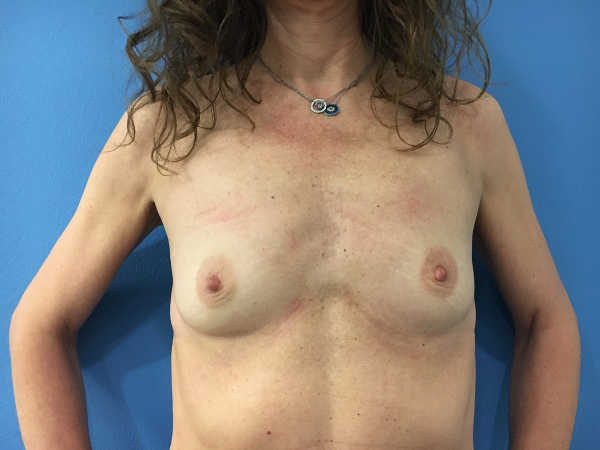
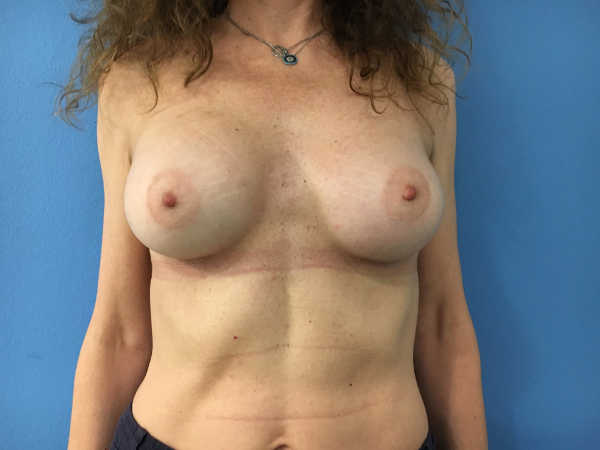
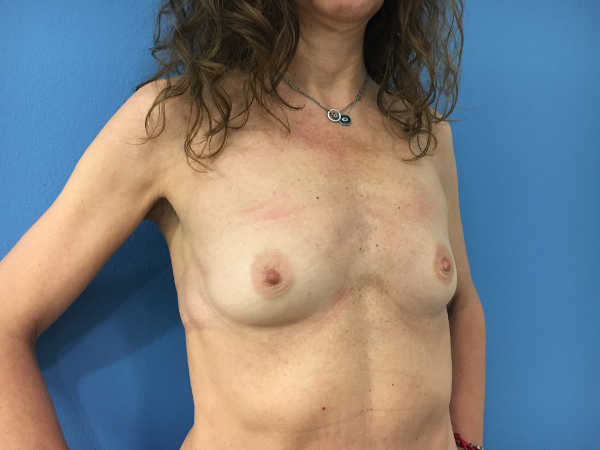
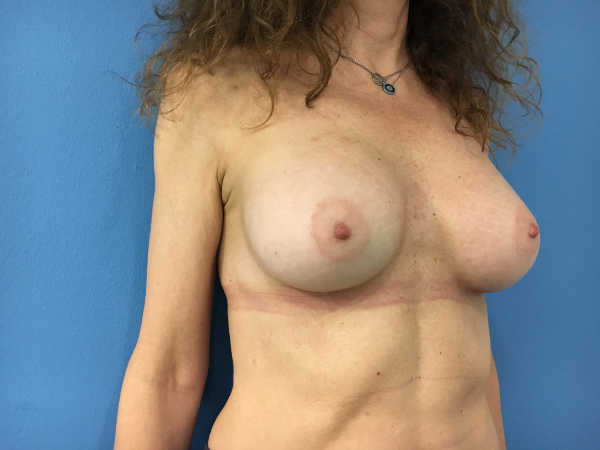
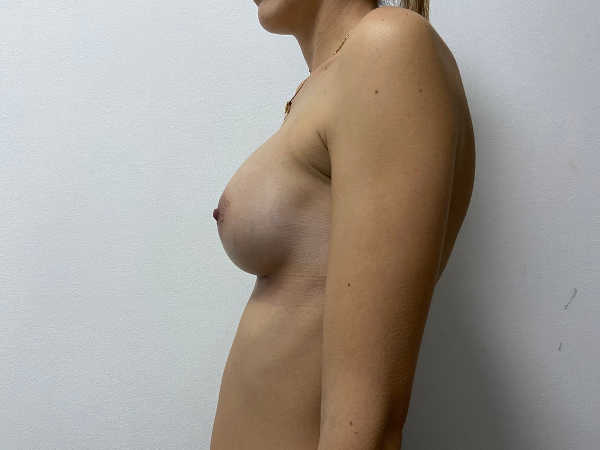
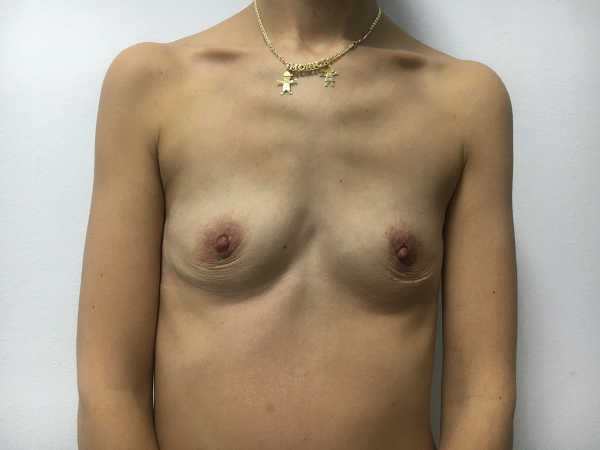
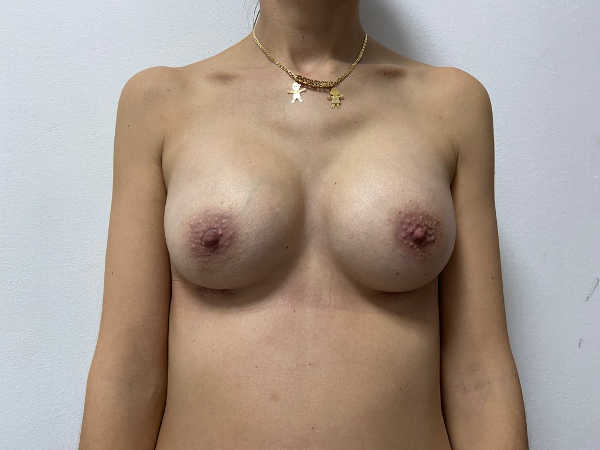
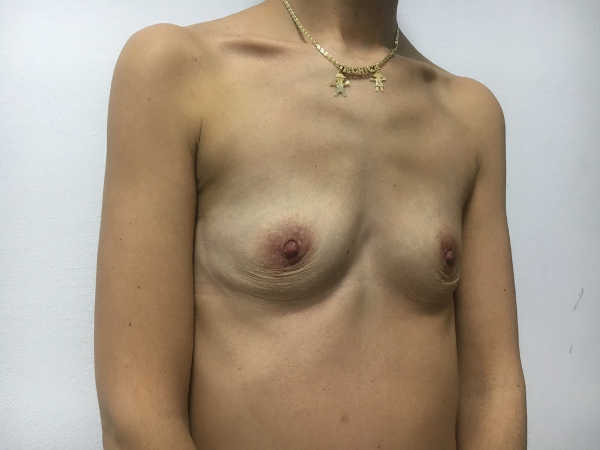
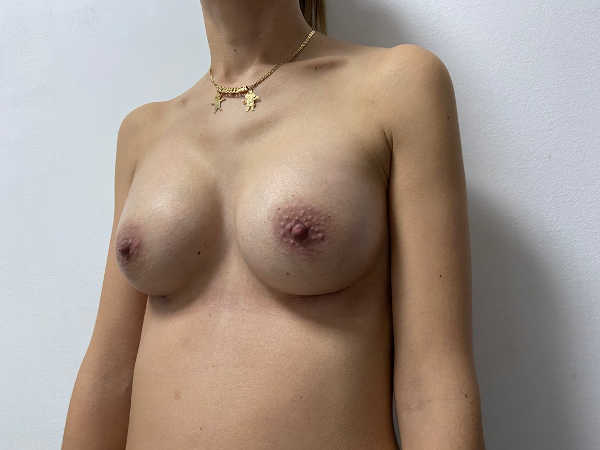
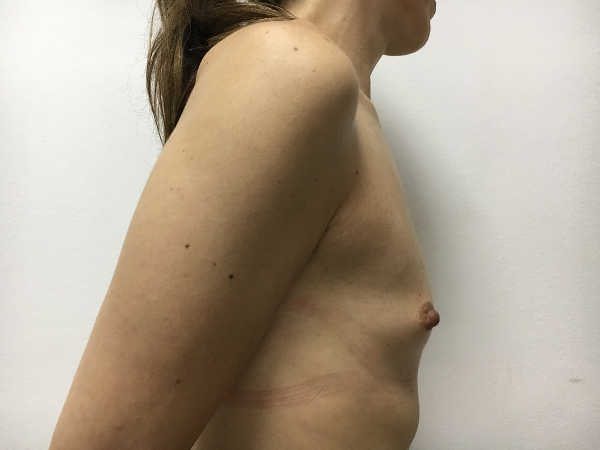
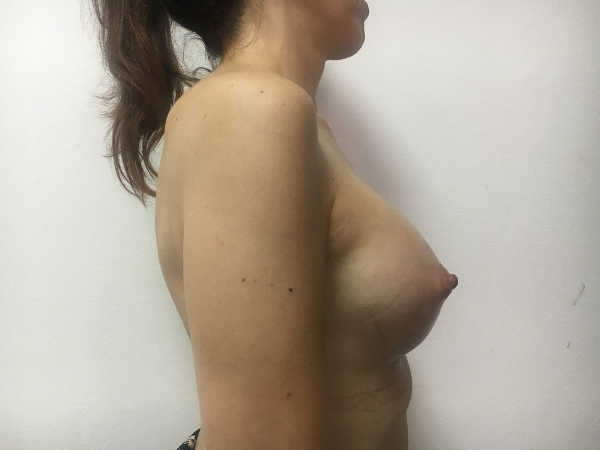
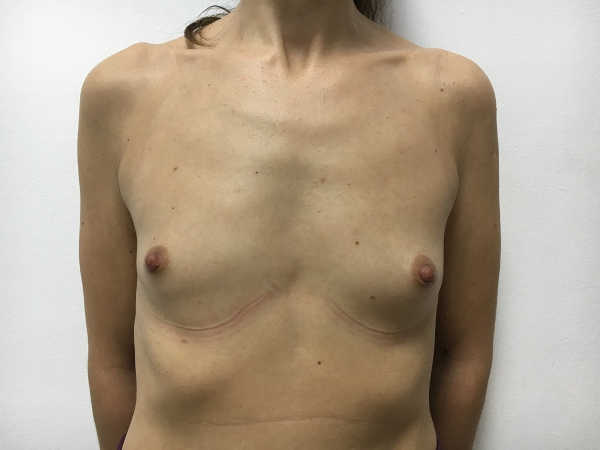
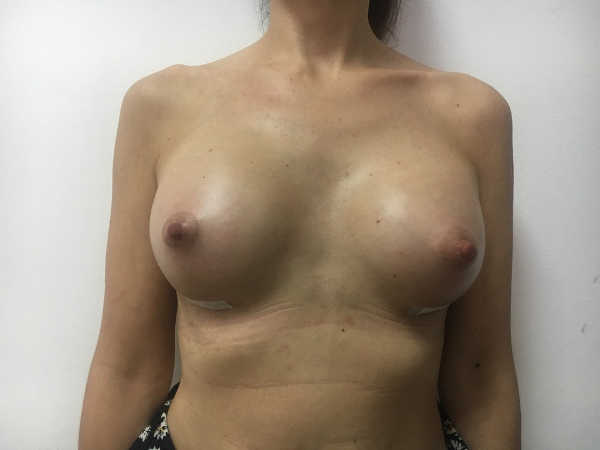
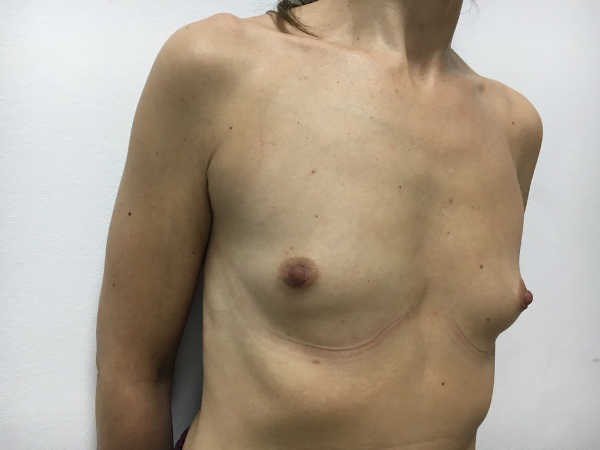
- The results you can achieve: before and after photos.
- Tips for a faster, smoother recovery.
- Price and financing options for your breast augmentation.
But before that, we will answer the question:
Why CHOOSE breast augmentation with Dr. Antolin?
✅ We use the best implants on the market (MENTOR) with lifetime warranty.
✅ Perfect breasts with a very attractive and natural result.
✅ Possibility of financing over up to 5 years.
✅ Breast augmentation surgical techniques designed for:
► Faster recovery.
► Less visible scars.
► A less painful postoperative period.
✅ He is part of the. Microsurgery Unit of the Plastic Surgery at “La Fe” hospital inValencia.
✅ He is a member of the Breast Committee at La Fe Hospital, and is a specialist in breast surgery and the most advanced breast reconstruction techniques.
What is augmentation mammoplasty?

It is the breast surgery for enhancing the appearance and increasing the volume of the breasts, by placing an implant or prosthesis in a surgically created plane that takes into account:
- The anatomical characteristics of the breast (shape, such as thickness, consistency and tissue pattern).
- Its position in the thorax and the anatomical characteristics of the chestc wall.
- Of course, the patient’s preferences and wishes.
There is a lot of information that the patient must transmit and the surgeon must know how to interpret it in order to establish the most optimal surgical plan and make the most appropriate decisions. The patient must be rigorously evaluated by the surgeon and listened to with care and attention. It is essential that the patient is well looked after, well informed, well operated on and, above all, excited about the result. Consultations are held in Valencia and Alcoy, from where we see patients from Onteniente, Ibi, Cocentaina and Onil among others.

The candidates
- The ideal candidate for augmentation mammoplasty with breast implants should have realistic expectations about the results of her procedure. This can be helped by before and after photos of natural breasts that have undergone surgery.
- Patients should be in good general health.
- Other factors to consider include normal level of physical activity and the likelihood of wanting to breastfeed after the procedure.
- Many women who find their breasts deflated after pregnancy desire a breast augmentation with implants as part of a complete makeover (called a mommy makeover).
The first consultation for your breast augmentation
Augmentation mammoplasty always begins with a consultation with Dr. Antolín. During this initial appointment the doctor will explain the specifics of the case, the expected results and the techniques he can use to achieve them.
Since most patients think in terms of cup size and bra size, while surgeons refer to implants by volume or dimensions, it is important to ensure the patient understands the terms and no confusion arises during the initial consultation.
Some patients may bring photographs showing their ideal silhouette for reference.
This can help Dr. Antolin understand the size of breast implants the patient wants.
We will also talk about the different types of implants. Dr. Antolin will explain the differences between saline and silicone gel implants and among round or anatomical shapes, so that you can make the right decision according to your needs and anatomy.
Intervention: characteristics of augmentation mammoplasty
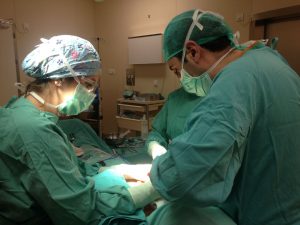
The procedure is performed under general anesthesia for safety and patient comfort.
In selected cases we can perform the procedure under local anaesthesia with sedation, although this is not usually our first choice.
The surgery lasts from from 1 to 1 hour and 30 minutes.
We usually recommend hospital admission, so the patient stays 1 night in hospital, in order to receive more comprehensive care, better pain control and greater security and peace of mind for her and her family.
The size and placement of the incision depend on the size and type of implant used, the size of the areola and the surgical technique chosen (especially in tuberous breast surgeries), but the patient’s preferences are also taken into account after we have explained the advantages and disadvantages of each option.
The aim is to minimise scarring, so the incisions are usually placed within the natural folds of the breast or around the areola, where the pigmentation of the scar can help camouflage it.
Where do we place the prostheses? INCISION routes
The main incision routes for implant placementnclusion are periareolar (around the areola), submammary (in the inframammary fold) and axillary (in the armpit).
All of them leave a small scar that, although it needs time to mature and achieve an optimal aesthetic result, usually becomes imperceptible.
The choice of route depends on the patient’s preference and the specific case, as some situations may limit the use of one route or recomend another.

Inframammary route
This is the most anatomical and surgically logical approach, as it uses a natural fold to conceal the resulting scar.
It allows access to the surgical plane without incising the mammary gland or crossing its ducts, which connect the gland to the exterior via the nipple and may be colonised by bacterial microorganisms.
For this reason, this approach:
- Keeps the breast “clean” from a radiological standpoint.
- Minimises the risk of intraoperative contamination of the implant.
- Preserves the sensitive nerve endings that terminate in the areola.
Periareolar route
The scar is placed on the periphery of the lower hemicircumference of the areola. This is a very popular route amongst patients because the resulting scar achieves the desired aesthetic outcome at an early stage, and can become imperceptible when naturally pigmented.
From the surgeon’s perspective, this approach, unlike the inframammary scar, allows intraoperative adjustments to the position of the future sulcus and facilitates remodelling of the mammary gland in cases where techniques are required to alter shape and distribution, such as tuberous breasts or breast asymmetry.
It also facilitates management of the lower pole in cases where additional techniques are needed to aid its expansion.
This approach requires a minimum areola size and is therefore not recommended for patients with particularly small areolas.
Axillary route
This is a very popular approach owing to the advantage of keeping the scar away from the breast, though it is situated in an area that may be more exposed.
We use this approach at the patient’s request, limited to cases in which implants of a moderate size are to be placed that do not require descent of the inframammary fold, in order to achieve an anatomical and optimal result.
Over our years of experience, we have found that the scar is one of the aspects that causes the greatest concern in patients prior to surgery.
However, once the procedure has been performed, it is something that fades into the background and does not present any problem.
From the first month, we guide patients through the therapeutic options and recommendations available to achieve the best outcome, although it is the passage of time that will give the scar its desired imperceptible and discreet appearance.
Where do we place the implants? Dissection plane.

The implant will be placed either behind the muscle, behind the gland, subfascially or in a dual plane.
The choice between these options will depend on the anatomical characteristics of the patient (such as breast volume and adipose tissue thickness), her lifestyle, sporting activity and personal preferences.
Submuscular plane
This is the plane we use in the majority of cases. By placing the implant beneath the pectoral muscle, the implant is better protected and more thoroughly covered, which conceals the presence of the prosthesis and softens the breast contours, achieving more natural and harmonious results.
Furthermore, the fact that the implant is covered by thick, highly vascularised tissue provides better protection against possible bacterial contamination, thereby reducing the likelihood of infection and capsular contracture.
Dual plane
To be more precise, the technique we use most frequently is the dual plane, a surgical variant of the submuscular plane in which the implant is positioned behind the muscle.
To achieve this, we section the most distal insertions of the pectoralis muscle at the rib, so that the muscle does not trap the implant but covers it, leaving it free and in greater contact with the gland in its inferior portion.
The main advantage is that it prevents upward displacement of the implant and undesirable movement upon contraction of the pectoral muscle — unwanted phenomena associated with the purely submuscular plane that we have successfully avoided with this technique. There is also the option of detaching the mammary gland from the pectoral muscle, achieving a breast-lifting effect to address mild cases of mammary ptosis.
Subglandular plane
This plane positions the implant behind the mammary gland and in front of the pectoralis muscle. We reserve this technique for patients who have a fatty panniculus and a substantial mammary gland, so that the implant can remain well covered without involving the muscle.
This is applied provided we are using implants of a moderate size and anticipate that there will not be significant tissue atrophy over time.
We also recommend this option for professional sportswomen, where the primary objective is to avoid muscle injury and facilitate the earliest possible return to sporting activity.
Subfascial plane
Subfascial placement is a variant of the subglandular plane in which the fascia of the pectoralis muscle is detached and incorporated as an additional layer of coverage between the implant and the gland.
We employ this technique routinely when the subglandular plane is indicated, unless there are complications with inferior pole expansion, in which case incorporating the fascia would not be beneficial.
What type of PROSTHESES do we use?
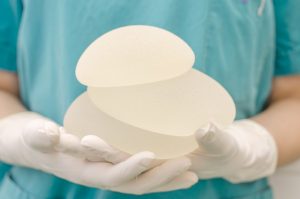
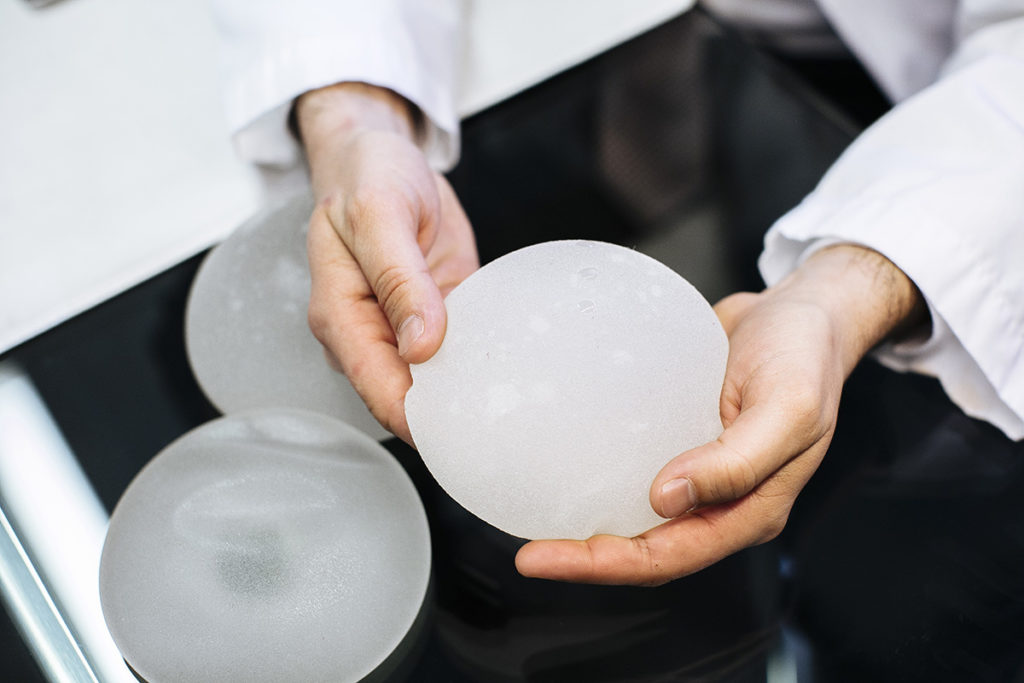
The prostheses are always manufactured using state-of-the-art cohesive silicone gel and are guaranteed for life.
They may be anatomical (teardrop-shaped) or round. Depending on the case, one shape will be preferable over the other, and the patient’s preference is paramount.
In general, we opt for anatomical implants when the patient presents with significant hypoplasia or incomplete breast development, tuberous breasts, breast asymmetry, or when the patient expresses a desire for a natural-looking breast.
We also recommend anatomical implants in cases of low-grade ptosis (breast sagging), where the sagging can be corrected with an implant alone, or in cases of mastopexy with implants, owing to the superior long-term behaviour of the breast relative to the prosthesis as it descends over the years.
We recommend round implants for patients:
- With well-shaped and proportionate breasts that concentrate greater volume in the lower pole.
- Whose breasts have lost volume following breastfeeding, pregnancy, weight loss, etc., but retain an adequate shape.
- Who are seeking breasts with a particularly full and convex upper pole.
The volume of the round or anatomical prostheses will depend on the patient’s wishes regarding the breast size she wishes to achieve, together with a series of anatomical measurements of the breast and chest wall taken during the initial consultation.
Patients with breasts of differing sizes may require prostheses of different volumes to achieve symmetry.
Postoperative care and recovery
Initial recovery from breast augmentation surgery takes approximately one week, although it may take longer for swelling to subside sufficiently to reveal the final shape of the breasts.
Most women experience some discomfort initially, although this can vary considerably.
Every patient’s body responds to surgery differently. However, most patients find that they are able to resume their personal and professional routines within the first week. Exercise and other strenuous activities must wait somewhat longer.
Once discharged, we advise home rest for four days followed by a gradual return to normal activity, so that the patient can resume family and working life within 7 days, although this must also be assessed on an individual basis.
Patients are monitored during the first month with weekly appointments for follow-up, wound care, suture removal and progressive guidance and advice.
- A specialist bra and occasionally a support band must be worn for one month.
- All forms of massage are discouraged.
- The patient will be able to resume her sporting activities after the first month.
- The patient will wear a dressing for a few days and a specialist bra for one month.
Recovery tips
There are a few measures you can take to ensure a smooth and trouble-free recovery, in addition to resting and avoiding sudden movements or heavy lifting during the first few days.
- Extra pillows: You will need to remain in a reclined position during the first few weeks of recovery, so using extra pillows or a reading pillow with armrests can be very helpful.
- Comfortable clothing with zips: Initially, you will not be able to raise your arms above your head, so it is advisable to have plenty of zip-up or button-down tops to make dressing easier.
- Bras: Although you will go home wearing a medical bra, you may wish to purchase additional bras for the remainder of your recovery. Large, soft, non-underwired bras are recommended for comfort.
- Laxatives: Anaesthesia and prescription painkillers can cause constipation, so having a laxative to hand can help maintain regular bowel habits.
- Ice packs: Apply a cold pack as needed to help reduce swelling and discomfort.
- Entertainment: Make sure you have plenty of films, magazines, books and other entertainment to keep you occupied whilst allowing your body time to rest and recover.
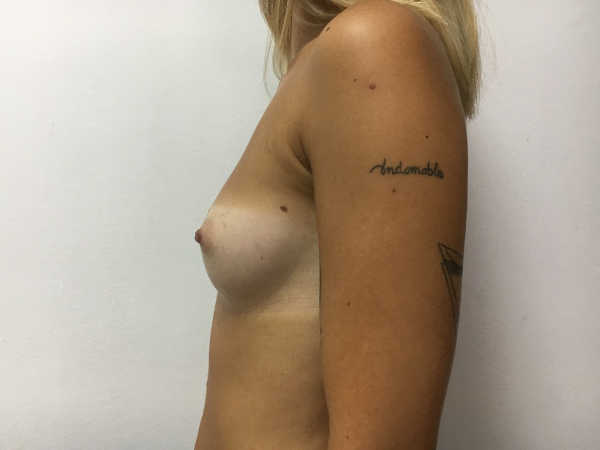
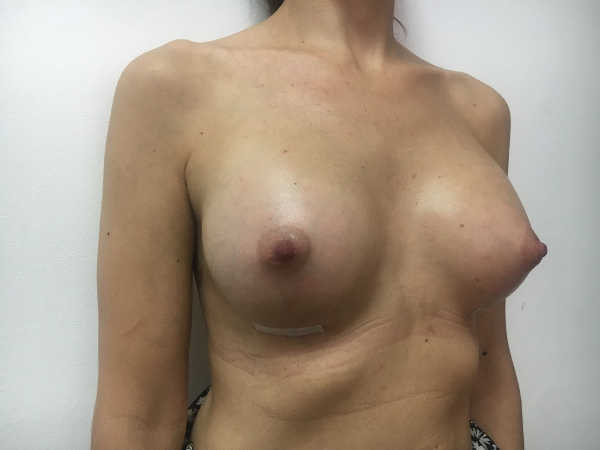
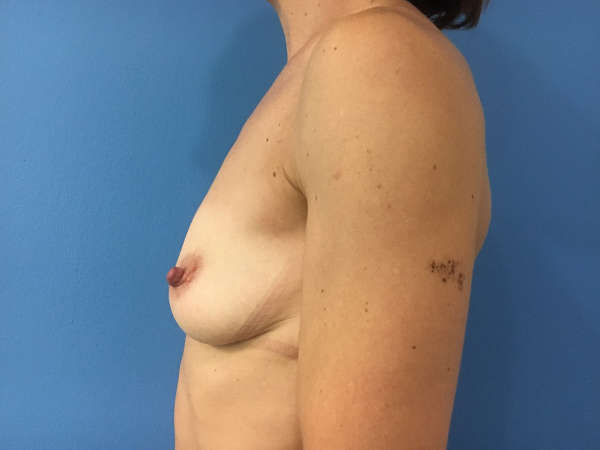
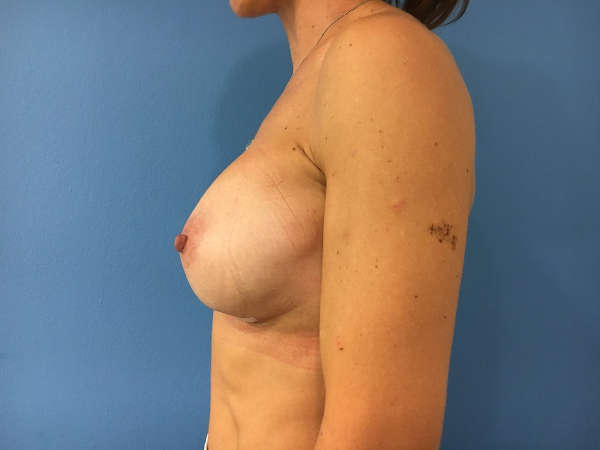
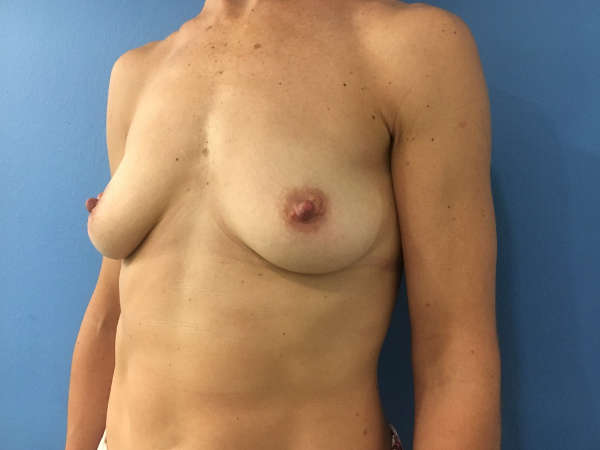
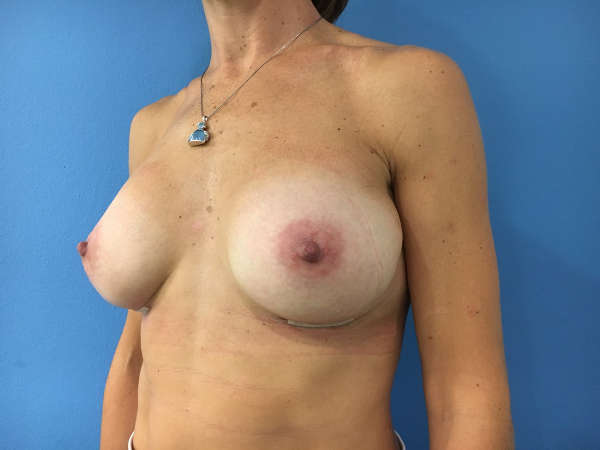
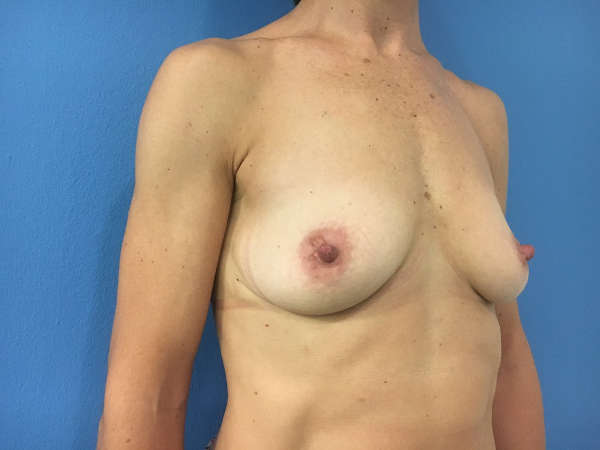
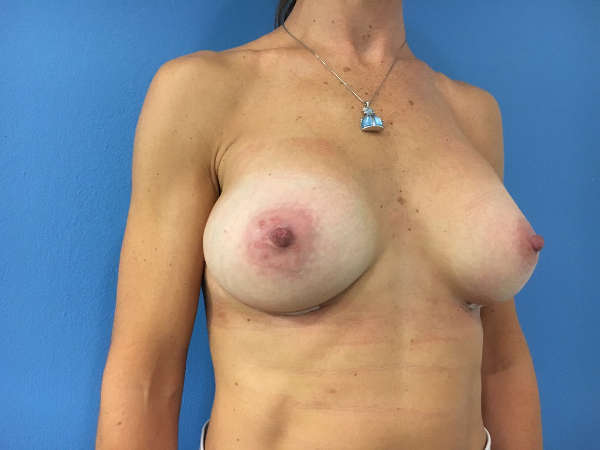
BREAST AUGMENTATION: Before and after photos from real cases


PATIENTS’ OPINIONS


Breast augmentation surgery price
Having made the decision to proceed with augmentation mammoplasty, questions about cost are often the next consideration.
At Dr. Antolín’s clinic, we support every woman’s choice to feel and look her best through breast augmentation, and we make every effort to ensure that the procedure is as accessible as possible.
So that cost is not a barrier, we offer the option to finance part or all of your breast augmentation over up to 5 years.
The lowest monthly payment over a 5-year term is approximately £100/month.
Dr. Pedro Antolín and his team are committed to delivering exceptional value, to using the finest prostheses available on the market (MENTOR), and to achieving the best possible results for your breast augmentation.
Breast augmentation costs
For most women, the cost of breast augmentation is as individual as the procedure itself, as several factors are taken into consideration when determining a specific fee.
Breast augmentation costs differ for saline versus silicone breast implants, amongst many other considerations.
The total price also varies depending on whether additional procedures are included and the complexity of the surgery, as well as other technical aspects of your procedure. The price for breast augmentation will include:
- Dr. Antolín’s surgical fees.
- The cost of the operating theatre and hospitalisation.
- Anaesthesia-related charges.
- Initial consultation, pre-surgical assessment appointment(s) and follow-up care.
Whilst breast augmentation is a personal decision based on many different factors, including financial cost, enhancing breast size also offers our patients the benefit of greater confidence in their self-image.
Schedule an initial consultation to meet with Dr. Antolín and find out more about cosmetic and reconstructive plastic surgery procedures in Valencia and Alcoy.
Would you like a QUOTE?
Frequently Asked Questions
Will breast augmentation increase my risk of breast cancer?
This is one of the questions most frequently asked by women considering this surgery.
Numerous studies have shown that women with implants do not have an increased risk of breast cancer. Furthermore, implants do not delay the detection of breast cancer.
Studies also demonstrate that having implants does not prevent the patient or her doctor from identifying breast tumours. Finally, patients with breast implants who develop breast cancer are just as likely to achieve remission or remain cancer-free at 5 years as women without implants.
Am I too old for this surgery?
Many women in their forties and fifties have undergone augmentation mammoplasty with excellent results. The most common patient for this procedure is a woman in her thirties with children who has been considering the operation for some years.
Whatever stage of life the patient is at, it is best to schedule a consultation to find the most appropriate path towards her physical and/or psychological goals.
Should I wait until I have finished having children before having this surgery?
Pregnancy will alter the size and shape of a woman’s breasts, whether she has implants or not. These changes may adversely affect the aesthetic appearance of any augmented breast, although this is unpredictable.
It is generally advisable to postpone pregnancy until at least 6 months after surgery. Breastfeeding with implants remains possible and has been shown to be safe for both mother and baby.
Will augmentation be effective if I have sagging breasts?
Women with sagging breasts, known as “ptosis”, may also undergo breast surgery with implants.
Depending on the degree of ptosis, additional surgery may be necessary. For breasts where the nipples sag below the inframammary crease, a breast lift or mastopexy is also frequently required. This procedure will leave scarring around the nipple-areola complex and on the lower pole of the breast, unlike most breast augmentation surgeries.
Without this additional procedure to remove excess skin, implant placement alone may not adequately correct the sagging.
Will my nipple sensitivity change?
Some women experience a degree of reduced sensation following breast augmentation surgery. For most patients, this resolves within 2 to 4 months.
How long before I can exercise?
Patients are encouraged to begin walking immediately after surgery. However, no strenuous physical exercise should be undertaken for six weeks after the procedure.
Physical exercise, including weight training, cycling, running and other forms of intense activity, can cause the implants to shift position or compromise wound healing, which may alter the appearance of the breasts following surgery.
When can I return to work?
This depends on the nature of the role and its physical demands. Some general guidelines are:
- Movements of the upper arms, as well as reaching, should be avoided for the first 1–2 weeks.
- Lifting anything heavier than approximately 4–5 kg should be avoided for 6 weeks after surgery. This restriction may prevent some women from returning to work within that period.
Is the postoperative period painful?
Pain following breast augmentation surgery is usually moderate and can generally be well managed with medication during the first 1 to 2 weeks after the procedure.
It is important to note that severe or unremitting pain after surgery may indicate infection or another complication.
How much does the surgery cost?
At your consultation, you will receive a detailed breakdown of all costs associated with breast augmentation surgery and a full explanation of payment options.
When can I drive?
You may begin driving one week after surgery, provided you are no longer taking any pain medication.
Will the implants affect my physical functioning — can I lift heavy objects?
Long-term changes in physical functioning are unlikely. Depending on the size of the implant, most women have no difficulty performing the majority of physical activities after surgery.
Lifting weights or heavy objects will not affect the implant once the area has healed fully.
Can I breastfeed after breast augmentation?
Yes.
- Placement of the implant beneath the breast tissue, as with subglandular placement, does not affect the breast’s ability to produce milk.
- Equally, submuscular placement — beneath the pectoralis muscle itself — preserves normal breast function.
- With a periareolar incision, there may be a slightly increased risk of difficulties with breastfeeding.
- For women who choose the inframammary or transaxillary incision (beneath the breast or through the armpit), breastfeeding is generally unaffected.
Patients should ensure they discuss their breastfeeding needs during the consultation.
Will I require additional surgery?
Additional surgery is sometimes required following breast augmentation. To achieve optimal symmetry, a breast lift or other supportive procedures may be needed.
Further surgery may also be required in the event of complications, such as implant rupture or capsular contracture.
In addition, augmented breasts will age as any other part of the body does, and some women may choose in the future to undergo additional procedures to address the effects of gravity and ageing.
The possibility of additional procedures following breast augmentation should be discussed during the consultation with your surgeon.
I would like a free evaluation