
Tuberous breast surgery
Recover a BEAUTIFUL breast
Say goodbye to small and malformed breasts.
Achieve attractive volume and shape
FREE initial consultation and financing up to 5 years.
SURGICAL CORRECTION OF TUBEROUS BREASTS
Dr. Antolín is a surgeon specialising in tuberous breasts. He explains the details of the tuberous breast procedure in Valencia and Alcoy and the results achieved at his consultations (serving patients from Ontinyent, Ibi, Cocentaina and Onil, amongst others).
 Contact us now
Let’s discuss:
- What are tuberous breasts? Characteristics of tubular or tuberous breasts.
- How do I know if I have tuberous breasts? The signs and symptoms.
- Classification or grades of tuberous breasts.
- Tuberous breast surgery: characteristics of breast reconstruction for tuberous breasts.
- Tips for the postoperative period and better recovery.
- The results achieved: tuberous breast images before and after.
- Price and financing.
But before that, let’s address the question:
What are tuberous breasts?
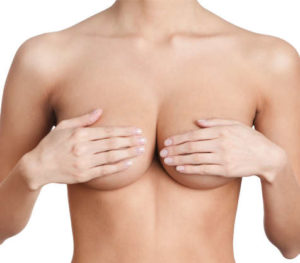 Tuberous breast is a congenital breast malformation that occurs relatively frequently.
- On many occasions, tuberous breasts are very obvious cases that cause considerable emotional distress for the patient.
- At other times they are milder cases that go unnoticed by the patient, who simply dislikes her breasts without understanding why.
Both situations represent some of the most complex cases for the surgeon, comparable only to the satisfaction that correcting the problem brings to the woman.
Typical findings of a tuberous breast include:
- A narrow implantation base.
- A high inframammary fold with variable constriction.
- Breast hypoplasia (underdeveloped breast).
- Herniation or preferential expansion of the growing breast tissue through the areola.
A considerable amount of information must be conveyed by the patient and correctly interpreted by the surgeon in order to establish the most optimal surgical plan and make the most appropriate decisions, as tuberous breast correction is a complex case both surgically for the surgeon and emotionally for the patient. The patient must be thoroughly assessed by the surgeon and listened to with genuine interest and care. It is essential that the patient receives excellent care, is well informed, is operated on with skill, and of course, most importantly, that the patient feels genuinely delighted.

The patient management in the consultation is the same as we have discussed for breast augmentation surgery, although these cases require more time when explaining the particulars of the patient’s condition.
The objectives of breast surgery are the same as those of conventional breast augmentation:
- Volume increase.
- Upper pole fullness… but fundamentally to achieve a beautiful, proportionate, symmetrical breast with a long, convex, rounded lower pole.
TUBEROUS BREASTS: Symptoms

The diagnosis of tuberous breasts is based on identifying tuberous breasts and assessing their severity.
Researchers continue to learn about tuberous breasts, so diagnosis is somewhat subjective and can present in various forms.
What tuberous breasts have in common, besides their tubular appearance, is that they lack breast tissue both vertically and horizontally.
- Tuberous breasts tend to have a space of more than 3.75 centimetres between them.
- The tissue surrounding the nipple may appear constricted or collapsed.
- The dark area of the areola may appear enlarged.
- A pair of tuberous breasts often lack symmetry, with one appearing noticeably larger than the other.
- Rather than a round appearance, tuberous breasts may appear oval, pointed or tubular.
What causes tuberous breasts?
Although the causes of tuberous breasts are not clearly defined, it is thought that there may be a hereditary component and familial predisposition, leading to an anomaly of the superficial fascia which, under normal circumstances, becomes distended by the mammary gland during development in puberty.
In these patients, the superficial fascia may be abnormally thick, fibrous, with strong adhesions to the dermis or muscular layer, particularly at the level of the lower quadrants, with a limited capacity to expand, thus causing hypoplastic development, lack of lower pole formation and herniation of the gland through the nipple-areola complex, where the gland encounters the least resistance to growth.
Tuberous breast grades
|
Type |
I |
II |
III |
|
Base |
Minor constriction |
Moderate constriction |
Severe constriction |
|
Inframammary fold |
Normal laterally, lower elevation |
Mid and lateral elevation |
Elevation of entire crease or absence of crease |
|
Skin envelope |
Adequate |
Lower insufficiency |
Global insufficiency |
|
Chest volume |
Minimal deficiency, none or hypertrophy |
Moderate deficiency |
Severe deficiency |
|
Ptosis |
Mild, moderate or severe |
None or slight |
Mild/Moderate |
|
Areola |
Expansion |
Normal, mild or moderate herniation |
Severe herniation |
Tuberous breast surgery: Initial consultation
Prior to tuberous breast surgery, all patients will have a FREE initial consultation scheduled with Dr. Antolín.
During this first visit, the characteristics of each patient’s breast, thoracic anatomy, skin quality and body constitution are assessed.
It is during the clinical examination that the different anatomical characteristics of the tuberous breast—degree of asymmetry and ptosis, if present—become apparent.
Following the examination, we will explain the characteristics of your case so that you have realistic expectations, understand the objectives and limitations, and appreciate the significant potential for improvement that your case offers through breast reconstruction.
At this meeting, candidates should receive answers to all their questions, Dr. Antolín should understand your needs and the goals you wish to achieve with breast surgery, and both patient and surgeon must be in agreement regarding the desired surgical outcomes.
The patient’s input is fundamental regarding the goals to be achieved, but in tuberous breast cases, it is necessary to be even more rigorous with measurements and proportions, as these are situations where the available skin is more limited and has reduced capacity for expansion.
The procedure: Surgical characteristics
The duration of tuberous breast surgery will depend on the extent of correction needed. Most commonly, the patient is admitted to hospital for one night.
Regarding the surgical technique, it is performed under general anaesthesia.
- Preference for the periareolar approach, for two reasons:
- This approach allows us to manage and treat the mammary gland in a simpler and more precise manner.
- In patients with abnormally enlarged areolas requiring reduction, we use the same access incision.
- Placement of the breast implant in a subglandular plane or dual plane (upper half submuscular, lower half subglandular). The breast implant must be positioned closer to the skin to expand it.
- Preference for anatomical implants, as they provide more fullness in the lower pole, which is often deficient in these cases. Additionally, anatomical implants facilitate management of the asymmetry that is usually present.
- Treatment of the mammary gland is essential. Various surgical techniques allow redistribution and harmonious organisation of glandular volume.
- Release or even division of the constrictive ring, to allow expansion of the lower pole.
Recovery from tuberous breast surgery
Postoperatively, recovery and follow-up are no different from conventional cases, although you should be aware that whilst the result looks good immediately, it improves during the first months as the skin of the lower pole relaxes.
- You will wake up in the operating theatre and then be transferred to the recovery area. Most patients also receive a small dose of pain medication during this time.
- After passing through this area in good condition, you will be transferred to the ward for monitoring, observation and administration of necessary medication.
- The next day, once you are able to tolerate food and can mobilise with minimal assistance, you will be discharged home. You must have a responsible person available to accompany you home.
- You will need to wear a specialist non-wired bra with front opening for one month.
- Dr. Antolín recommends light household activities that do not require heavy lifting or strenuous exertion. The doctor will also provide you with detailed instructions for gentle arm exercises that should begin the night after surgery. Although there is a tendency to restrict arm and upper body movement completely, gentle activity during this initial period will facilitate your recovery.
- For the first few days you may experience mild to moderate discomfort for 2–3 days after surgery. However, most patients discontinue pain medication after the second postoperative day.
- You will return to the clinic 2–4 days after surgery for evaluation of swelling, bruising, infection control and surgical wound assessment. Your general condition will be evaluated and pain management adjusted as needed.
- Most patients, depending on their occupation, can return to work within 5–7 days.
- Strenuous physical activity and weight lifting should be limited during the first 4 weeks.
- If you notice sudden breast swelling, severe pain, redness, discharge or fever, you should contact the clinic immediately for evaluation.
- Patients are monitored during the first month with weekly appointments for follow-up, wound care, suture removal and progressive information and guidance.
Procedure results
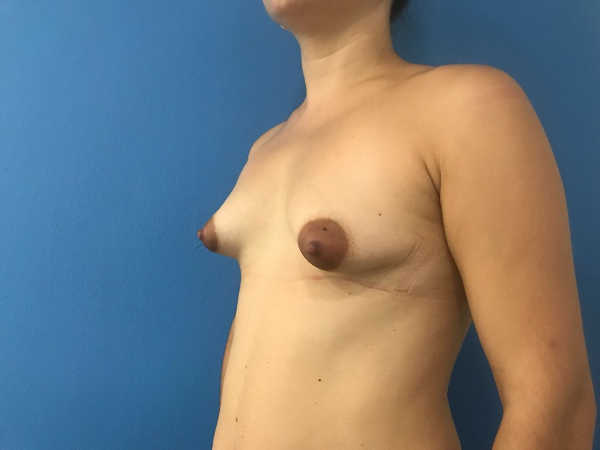
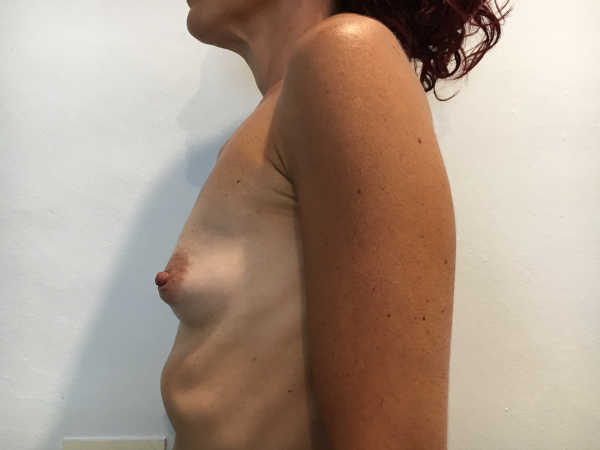
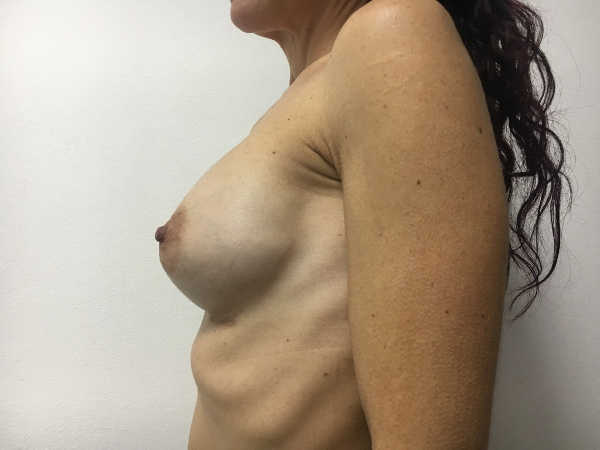
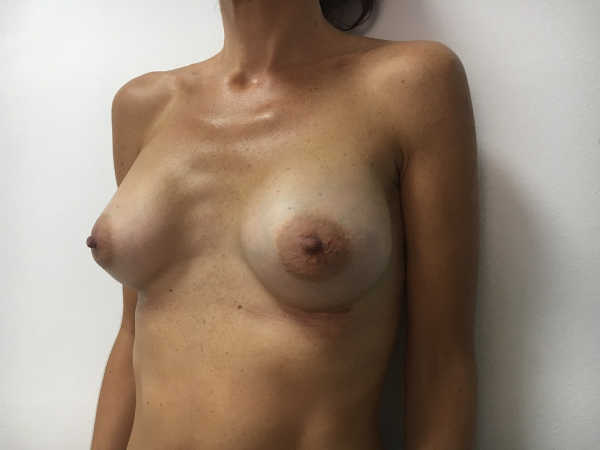
Once completely healed, the breasts will have a much more proportionate aesthetic result, both with each other and with the rest of your body.
Scarring is to be expected, but with proper care and following Dr. Antolín’s recommendations, the scars will improve over time and become barely noticeable.
TUBEROUS BREAST: Before and after photos
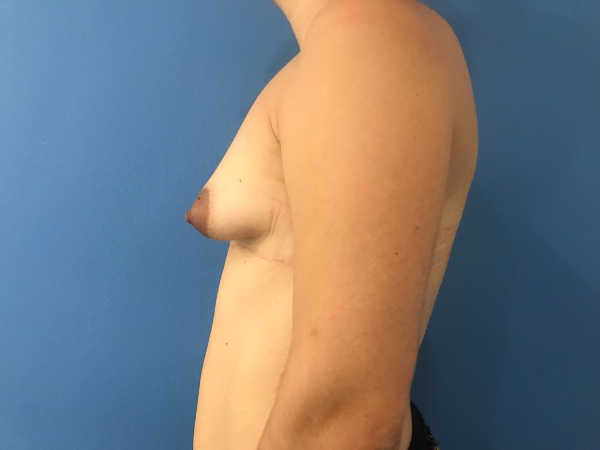

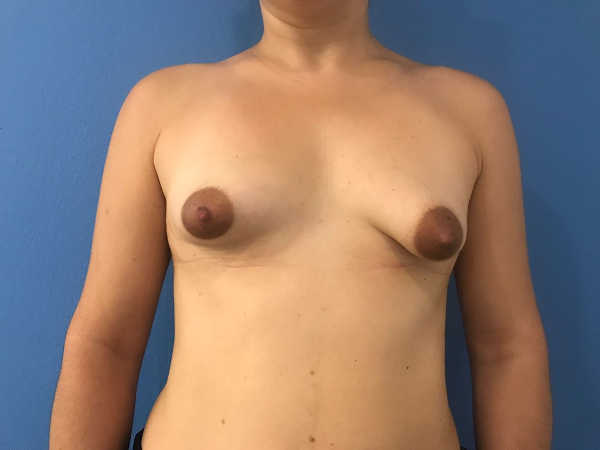
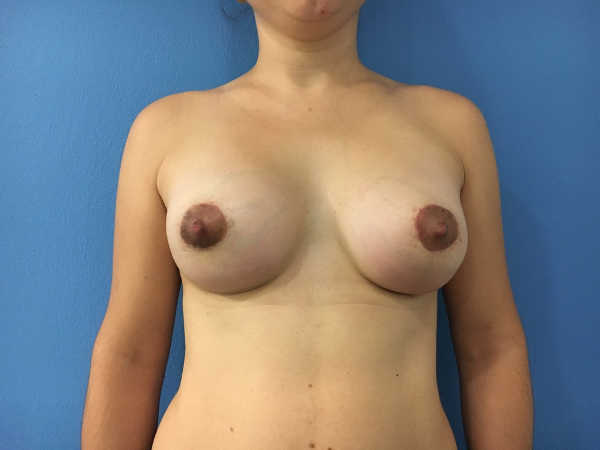






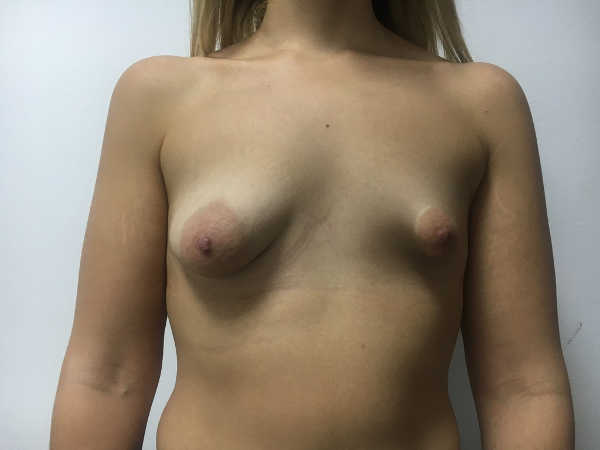
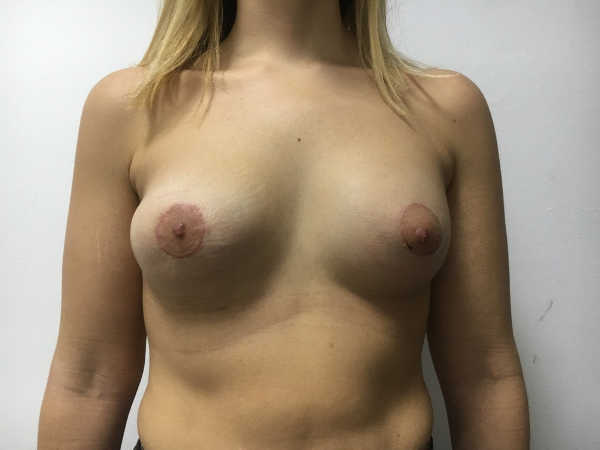
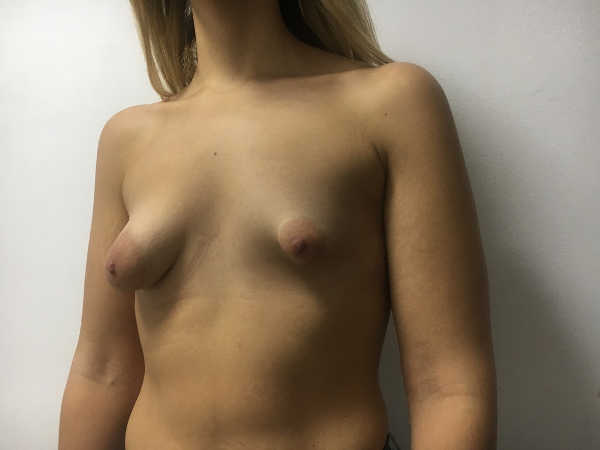

TUBEROUS BREAST SURGERY: Patient feedback


Would you like a QUOTE?
TUBEROUS BREAST: Frequently asked questions
What is a congenital breast anomaly?
A congenital breast anomaly refers to a condition present from birth that affects the development or appearance of the breasts in a specific way, which might be considered abnormal compared to what is generally regarded as a typical body shape.
Tuberous breasts are a very common breast anomaly. Dr. Antolín has many years of experience assisting patients with tuberous breasts.
What do tuberous breasts look like?
The physical appearance of tuberous breasts is a combination of a lumpy, puffy appearance of the nipple and a narrower area of tissue behind it that does not allow the breast to develop fully. Tuberous breasts often have an asymmetrical appearance.
How will I know if I have tuberous breasts?
Tuberous breasts can manifest very differently in different individuals, but the most common features associated with this condition are:
- Underdeveloped breasts.
- Tubular shape: narrow and elongated breast.
- Abnormal constriction of the breast base with little or no breast tissue.
- Areola complex (pigmented area around the nipple) that is enlarged, lumpy and herniated.
- Abnormal cleavage due to widely spaced breasts.
- High localised breast fold (inframammary fold); the fold may be absent in severe cases.
- Ptosis—drooping breast that appears elongated and constricted.
Depending on the severity of the condition, you may have some or ALL of the above features in one or both breasts.
How is tuberous breast corrected?
From an aesthetic standpoint, tuberous breast correction is one of the most challenging problems in breast surgery and requires significant prior experience.
It requires a delicate balance between breast remodelling, areolar balance and breast augmentation, taking into account the degree of tuberous breast deformity.
With so many variations and degrees of severity and asymmetry, no two tuberous breast corrections are identical.
There is no single correction technique applied, but rather a combination of several techniques is usually employed, depending on the characteristics and severity of the condition, the surgeon’s preference and experience, and the patient’s unique goals and desires.
However, the general objectives pursued with tuberous breast correction surgery are:
- Free the underlying constrictive tissue.
- Widen the constricted breast base to normal size.
- Lower the inframammary fold.
- Increase skin coverage.
- Increase breast size using different types of implants or autologous fat.
- Reduce the size of the nipple-areola complex.
- Restore breast symmetry.
In developing a customised treatment plan for each individual patient, Dr. Antolín considers the location and type of incision (for correction of deformity, areolar herniation, breast sagging and asymmetry), the type, size, projection and placement of the implant (if additional volume is required) and the number of stages necessary to achieve the best results.
Request an initial assessment for your surgery with Dr. Antolín.
I WOULD LIKE A FREE ASSESSMENT