
What is rhinoplasty?
Rhinoplasty or nose job is the surgery that seeks harmony and beautification of the nose, and thereby the whole face, by removing, augmenting or reducing its various components (hump, tip, nasal wings).
With rhinoplasty in Valencia or Alcoy performed by Dr. Antolín, we do not seek to change the patient’s face, but rather to address those alterations in nose shape with which the patient is uncomfortable or does not feel identified.
Thanks to rhinoplasty, we achieve more attractive and proportionate noses, and objectively more beautiful faces. The goal is a more beautiful and harmonious nose that breathes the same or better and shows no signs of having been operated on.
This facial aesthetic surgery is usually sought by patients with concerns about their nose shape, patients who have suffered malformation following trauma in the past, patients with sequelae from previous rhinoplasty procedures (in which case a secondary or revision rhinoplasty is performed), or patients with breathing difficulties through the nose.
The anatomical anomalies that can result in a nose with which the patient is uncomfortable are highly varied:
- Prominent hump on the dorsum.
- Deviated nose.
- Drooping tip, enlarged tip.
- Over-projected nose, nose with projection deficit, and so on.
Rhinoplasty can also treat breathing difficulties caused by a deviated nasal septum (this procedure is called septoplasty), or by turbinate hypertrophy (turbinectomy), bone deviation, external and/or internal valve collapse, and so on.
A considerable amount of information must be conveyed by the patient and correctly interpreted by the surgeon in order to establish the most optimal surgical plan and make the most appropriate decisions. The patient must be thoroughly assessed by the surgeon and listened to with genuine interest and care. A comprehensive examination is essential to understand the problem precisely, as well as to understand the patient’s desires and motivations for change. This is the only way to reach an adequate diagnosis and therapeutic plan, as well as appropriate counselling in which the patient understands the surgical objectives and has realistic expectations. It is also essential that the patient receives excellent care, is well informed, is operated on with skill, and of course, most importantly, that the patient feels genuinely delighted.

Who are the best candidates for nose surgery?
Listed below are some characteristics that good rhinoplasty candidates may have:
- Their current nose makes them self-conscious or unhappy.
- They may not be happy with the way their nose has changed as they have aged.
- They have a deformity that needs to be corrected.
- They are psychologically well and have reasonable expectations of surgery. The best candidates wish to improve their appearance, not achieve perfection. They are otherwise happy with their life and do not expect a nose job to change it significantly.
- They are the right age: whilst younger people do have nose jobs, it is best to wait until at least the mid-teens before undergoing the procedure. The reason is that the nose stops growing and changing significantly at this age.
- They understand what the procedure entails and prepare accordingly. For example, workers will need to take time off work after surgery for recovery.
- They are aware of any medical conditions and allergies they may have and have informed their surgeon. This reduces the risk of having a reaction to the anaesthesia and medications.
What to expect at the initial consultation
Before nose surgery—whether rhinoplasty, septoplasty, turbinectomy, nose tip surgery or otherwise—all patients will have several scheduled consultations with Dr. Antolín.
At this initial FREE visit, candidates should receive answers to all their doubts, questions and clarifications, have the doctor review their goals and ensure that both patient and surgeon are aligned regarding the desired results.

- During a rhinoplasty consultation, Dr. Antolín will examine the shape and dimensions of the nose and its various components, as well as the facial structure and the relationship and proportion of the nose to the rest of the face.
- The interior of the nose will be examined using rhinoscopy to assess the condition and shape of the septum, turbinates and other elements.
- Bone, cartilage, skin type and breathing function are evaluated.
Dr. Antolín will ask the patient what he or she dislikes about their nose.
If the surgeon and patient cannot agree on what can be achieved in their particular case through rhinoplasty surgery, it is unlikely the patient will be satisfied with the final surgical result. In this case, the appropriate recommendation would be to re-evaluate the surgical objectives since it is better not to have surgery than to wake up with a result that does not meet the patient’s expectations.
If the surgeon and patient agree on the desired nose appearance, an operative plan is designed, actual measurements are taken and preoperative decisions are made jointly, and then the plan is reviewed again.
At a second pre-surgical consultation, the plan is reviewed once more and good discussion with the patient is expected during this visit, in addition to assessing possible risks and signing the informed consent forms.
 Contact us now
Types of surgery: open, closed, septoplasty, septorhinoplasty, turbinectomy
Currently, we can distinguish between traditional rhinoplasty, in which the osteotome and mallet are used to create fractures in the nasal bones and thereby reshape the nose, and ultrasonic rhinoplasty, which uses the piezotome (a tool that generates ultrasound) for more precise filing or cutting of nasal bones.
There are two approaches for making incisions to reshape the nose:
- The endonasal approach or closed rhinoplasty, where the scar is hidden inside the nose.
- The open approach or open rhinoplasty, in which in addition to the endonasal scar, a small external incision (imperceptible) is made in the columella to lift the skin and expose the osteocartilaginous structure.
The choice of one or the other depends on the type of case presented and the techniques to be used to correct the malformation.
Whilst many procedures can today be performed through the closed technique, an open procedure may be necessary in more complex cases.
Following an open procedure, the incision scars remain virtually unnoticeable due to their placement along the natural creases around the nose.
Depending on the type of objective to be achieved, the following interventions can be classified or distinguished:
Septoplasty
This is the surgical procedure to correct a deviated nasal septum, that is, a displacement of the bone and cartilage that divides the two nostrils. During septoplasty, the nasal septum is straightened and repositioned in the midline.
Septorhinoplasty
Ultrasonic or traditional septorhinoplasty is an operation to improve the appearance of your nose and to improve how the patient breathes through the nose. It involves operating on the bones and cartilage that give the nose its shape and structure (rhinoplasty) and straightening the septum (septoplasty).
Turbinectomy: turbinate operation
Turbinectomy, or turbinate reduction surgery, is a surgical procedure in which the lower nasal turbinates are reduced to provide better nasal airflow. It is usually indicated for rhinitis that does not respond to medical treatment due to turbinate hypertrophy.
Procedure characteristics
- The procedure is always performed in the operating theatre under general anaesthesia.
- Once the initial incisions are made, the osteocartilaginous structure that gives shape to the nose is dissected, and with it exposed, the initial diagnosis is reconsidered and the necessary corrections are made through resection of excess bone and cartilage, grafts, sutures, and so on. In this way, the osteocartilaginous framework that will give the desired nose shape is achieved.
- In cases of respiratory disorders, we combine nasal aesthetic surgery with treatment of the respiratory problem:
- Septorhinoplasty (septal deviation).
- Turbinectomy (partial removal of hypertrophic turbinates), and so on.
- Finally, the incisions are closed, nasal packing is usually avoided and a plaster splint or other material is applied over the nasal pyramid.
- The surgery lasts 2–3 hours (depending on case complexity), and after the operation the patient is hospitalised for 24 hours.
- The following day, once the patient is in optimal condition and everything has been checked correctly, discharge from hospital occurs for follow-up in consultation.
Postoperative period and recovery from nose surgery
Postoperative period
Once discharged, it is recommended that the patient rests at home for several days and follows a progressive return to normal activity, so that he or she can resume family and work life within 7 days (although this should also be assessed individually).
Patients are monitored during the first month with weekly appointments for follow-up, wound care, suture removal and progressive information and guidance.
- This is not a painful surgery.
- Patients go home in optimal condition and only with the limitations of wearing a nasal splint and presenting ecchymosis and facial oedema (especially in the eyelids).
- It takes 7–10 days for the most conspicuous bruising to disappear and for the splint to be removed during consultation.
- At one month, both the face and nose look normal.
Recovery from surgery: wings, nasal tip
How long will it take to recover from rhinoplasty?
Healing time after a nose job depends on a number of factors, including the surgical techniques used and the type of reconstruction performed.
The downtime after a nose job varies; the goal is for the patient to return to work within a week, although they may be uncomfortable with the presence of the splint or plasters, as well as some minor bruising.
At two weeks there are usually no signs of surgery. After the first two weeks, recovery becomes much easier.
However, it may take up to a year before the complete and definitive results of the rhinoplasty procedure are achieved.
Recovery from rhinoplasty: Week 1
The first few days after a nose job are the most challenging and you may experience some discomfort.
Although the patient is usually fine from the beginning and only limited by facial oedema, some bruising and the splint that indicates the patient has undergone surgery.
Rhinoplasty recovery: Week 2
By the second week, swelling and bruising will begin to fade, and for a casual observer, the nose job will not be as noticeable.
The patient will probably be ready to return to work at this time, but will need to avoid strenuous activities and heavy lifting.
Following a nose job, it is normal for the skin to be extra sensitive, so sun exposure should be limited.
Rhinoplasty recovery: Month 1
Approximately one month after rhinoplasty, most patients look and feel recovered.
You may still have some swelling, especially at the nose tip, but you will now be able to clearly see the initial surgical results.
At this time, you should be cleared for moderate physical activity and can probably wear glasses or sunglasses.
Rhinoplasty recovery: 2–3 months
Day by day, you will notice that your nose is becoming more refined as swelling continues to decrease.
At this stage, you will be almost healed, so in most cases you will return to your normal routine. However, you will still need to avoid contact sports.
Rhinoplasty recovery: 6–12 months
After about six months, you will be able to return to contact sports.
For many patients, nasal swelling disappears at this time, and in any case definitely by 12 months. By then, the nose will have healed inside and out, and definitive results will be seen.
Rhinoplasty offers the opportunity to improve the shape and size of the nose, bringing it into balance with the rest of your facial features to improve overall appearance. However, plastic, cosmetic or reconstructive nose surgery is a serious surgical procedure that requires a skilled and experienced facial plastic surgeon.
If you are not satisfied with the size or shape of your nose, make an appointment with Dr. Antolín.
Dr. Antolín has the experience to help you achieve the facial transformation you desire and can answer all your questions about every aspect of the surgical procedure, as well as the postoperative period and recovery from ultrasonic or traditional rhinoplasty.
Discover the advantages and disadvantages of ultrasonic rhinoplasty versus conventional rhinoplasty.
Results of rhinoplasty, septoplasty or septorhinoplasty procedure
The results of surgery are evident to the patient as soon as the splint is removed, but it takes a month for the nose to acquire a normal and greatly improved appearance; and 6 to 9 months are necessary for any minimal oedema to be resolved, the skin to acquire its definitive quality and for the best possible and definitive result to become apparent.
Rhinoplasty is a very gratifying surgery. Not only do we achieve a more beautiful nose; the face becomes more harmonious; we achieve more beautiful faces with which the patient feels identified from the moment the splint is removed.
Aesthetics and functionality must go hand in hand in rhinoplasty, not only because we can improve aesthetics in a patient who requests better breathing or improve function in a patient requesting aesthetic change; but because any surgical manoeuvre must respect or improve respiratory function.
Our goal is to create a more beautiful nose, maintain or improve respiratory function and leave no external signs of surgery.
Schedule an initial consultation to meet with Dr. Antolín and learn more about rhinoplasty in Valencia and Alcoy.
Would you like a QUOTE?
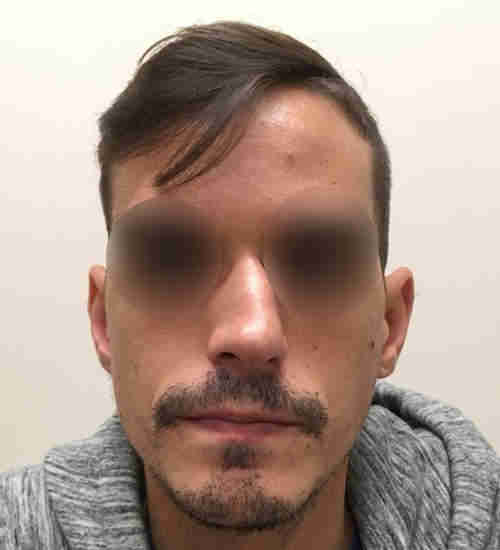
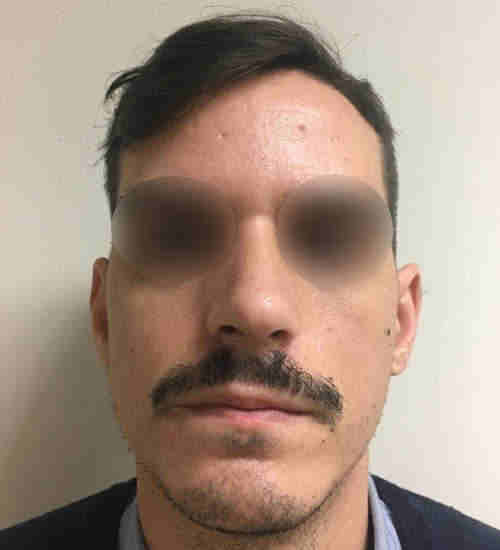
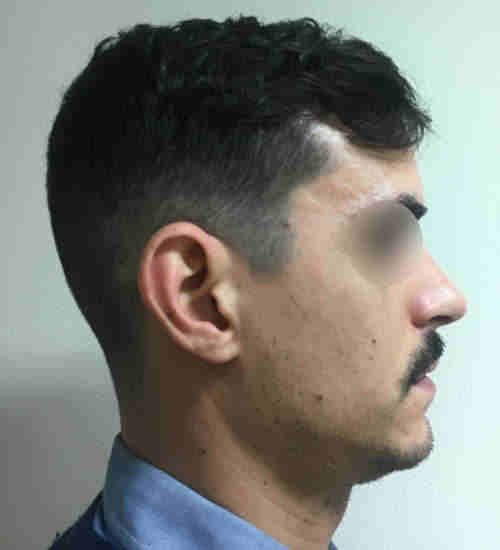
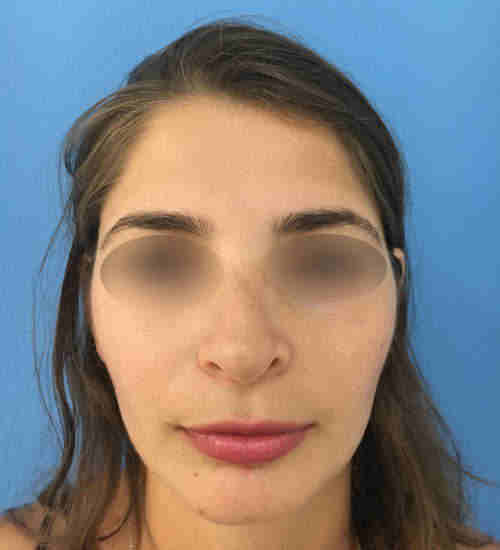
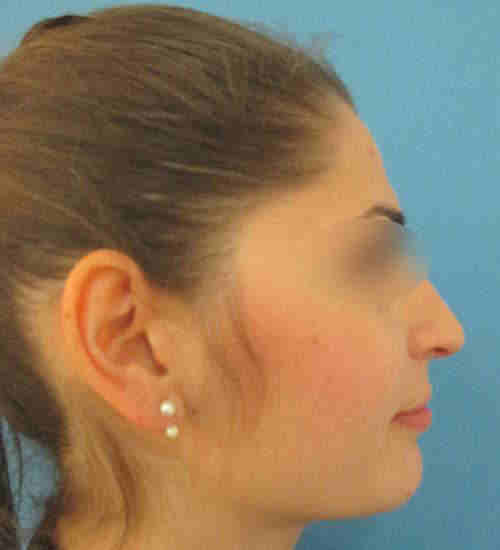
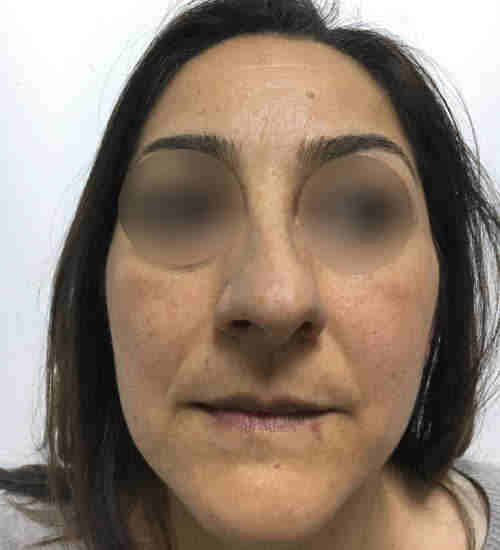
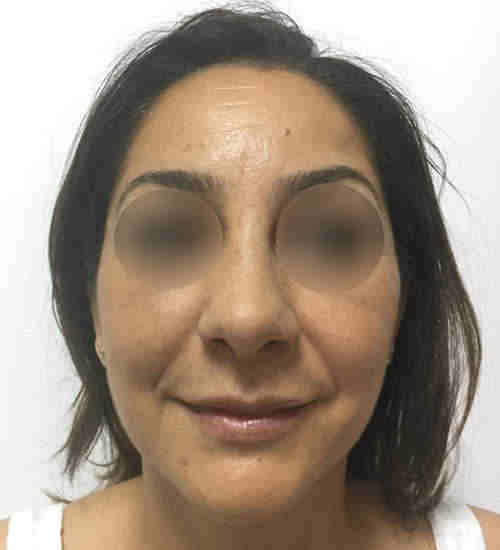
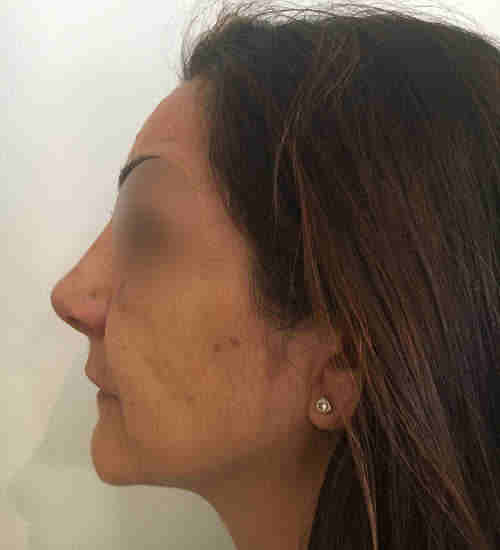
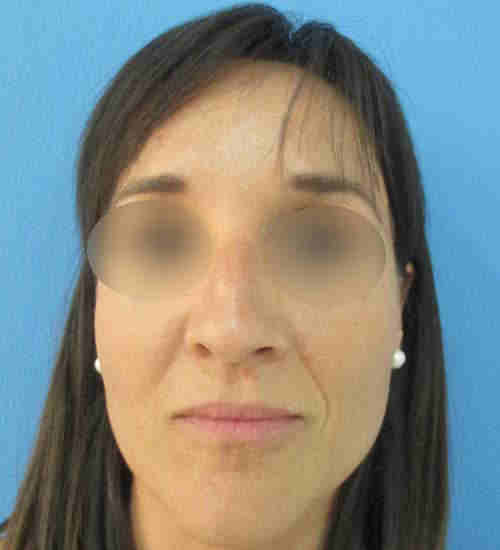
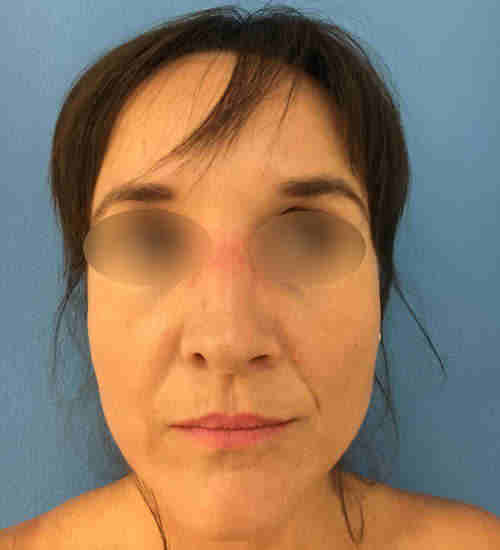
Before and after photos from real cases






Patient feedback


Frequently asked questions
What is the importance of preoperative analysis in rhinoplasty?
Accurate preoperative analysis accounts for 50 per cent of the outcome.
I encourage patients to bring photographs showing how they envision the results. Only a limited number of experts specialise in rhinoplasty.
Will I need any touch-ups after the procedure?
The level of demand for this procedure is maximum both from the patient and from Dr. Antolín. Any detail that alters the expected result would require a small retouching one year after the procedure.
This situation, although infrequent, should be considered part of the process. Sometimes, intraoperative inflammation can hinder accurate assessment of the result; at other times, healing and ossification processes could alter an excellent postoperative result.
Approximately 15 per cent of rhinoplasty operations require touch-up procedures.
What happens after surgery?
At the end of the procedure, a long-acting anaesthetic agent is used to ensure that the patient leaves the surgical centre without pain.
A splint is usually placed on the nose for one week.
The nose will be noticeably swollen for several days and should not be blown. About half of rhinoplasty patients experience some bruising.
It may take up to a year before all minor traces of swelling disappear, but the nose will look better once the splint is removed following surgery.
What are the risks and limitations of rhinoplasty?
The major limitation of rhinoplasty is found in patients with very thick skin, as it adapts with difficulty to the changes made to the osteocartilaginous structure.
Particularly complex are cases in which, either due to the patient’s history or previous surgeries, there has been significant loss or severe alteration of the various cartilages; in these cases, cartilage grafts taken from the ear or rib may be necessary.
Risks, although infrequent, include infection, postoperative nosebleeds, numbness, swelling, prolonged pain, possible nasal collapse, functional impairment, poor external healing, residual deformity and septal perforation.
What is the price of rhinoplasty?
At our plastic surgery clinic in Valencia, we offer rhinoplasties at competitive and affordable prices, with financing up to 5 years.
Our team of cosmetic surgery experts is committed to providing exceptional results at a fair and transparent price.
Contact us for more information about ultrasonic rhinoplasty at competitive prices in Valencia and begin your journey to a perfect nose!
Can it be combined with other surgeries?
Yes, in many cases patients wish to improve their face as a whole, combining rhinoplasty with mentoplasty in a procedure called perfiloplasty.
Mentoplasty in men and women consists of augmentation or reduction of the chin and when combined with rhinoplasty offers significant improvement in facial beauty.
On other occasions rhinoplasty may be combined with eyelid surgery.
In all these cases the price of rhinoplasty will vary depending on the combination of procedures chosen.